Selecting Tile and Flooring Trends for Classic Greystone & Vestavia Hills Architecture
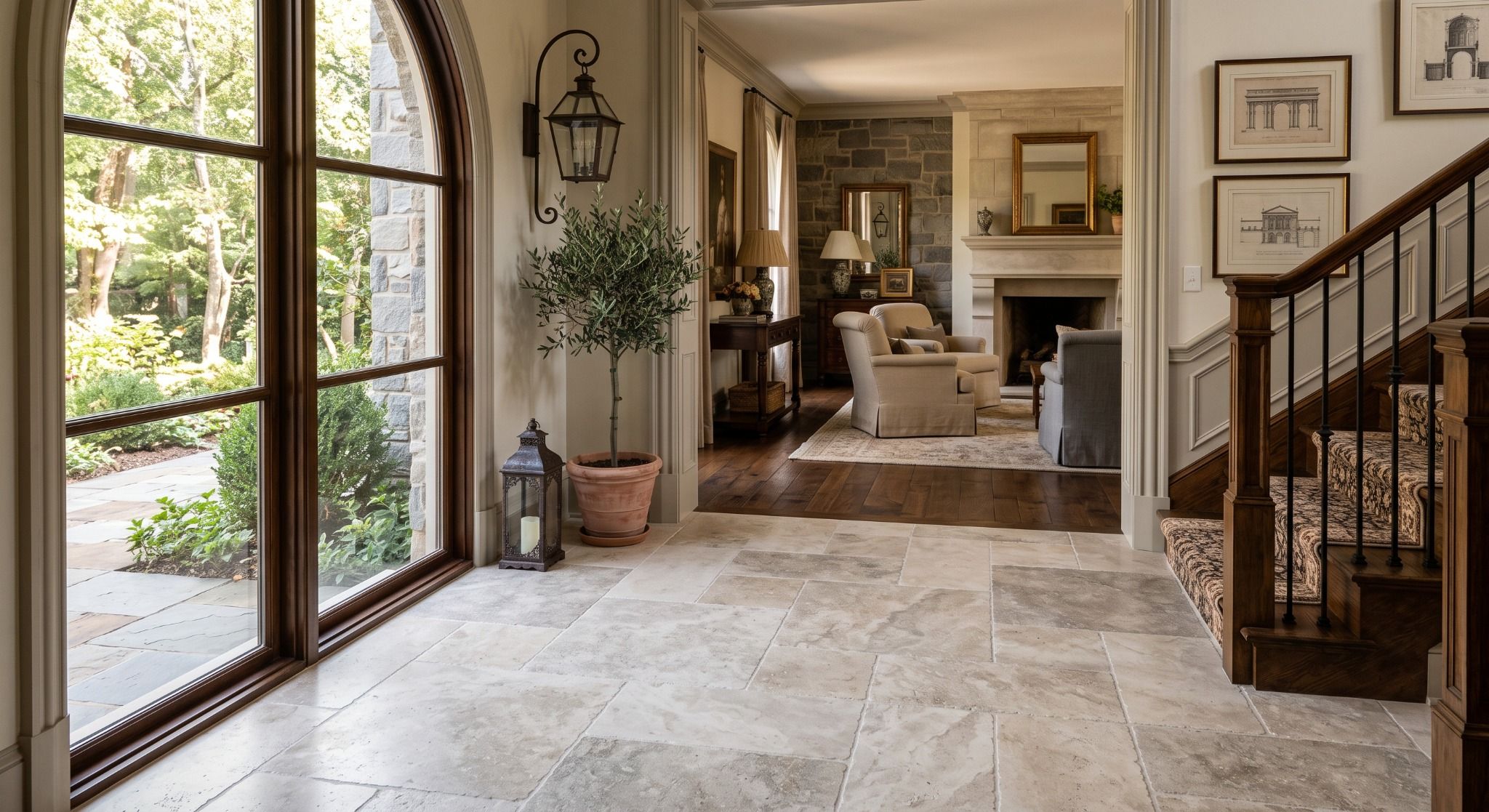
The architectural landscape of Metro Birmingham presents a captivating blend of historic charm and modern refinement. Nowhere is this more apparent than in the stately homes of Greystone and Vestavia Hills. From grand Mediterranean-inspired estates to elegant Southern Colonials and sprawling custom builds, these properties require flooring solutions that respect traditional craftsmanship while accommodating busy modern lifestyles.
Homeowners in these communities manage active households, indoor-outdoor living, humid Alabama summers, and high-foot-traffic entertaining spaces. Selecting the right surfaces involves balancing structural integrity, everyday practicality, and timeless aesthetic appeal. As your local In and Out Flooring, we believe that choosing new floors should be a guided, transparent experience tailored specifically to your home.
Lifestyle Needs Unique to Metro Birmingham Homes
Designing interiors in Birmingham, AL means accounting for local climate conditions and household dynamics. Summer humidity can cause moisture migration in subfloors, making proper material selection and moisture barriers essential for long-term stability. Furthermore, many homes in Greystone and Vestavia Hills feature open layouts connecting kitchens, hearth rooms, and covered patios, requiring smooth visual transitions across different spaces.
Whether you are updating a primary suite in Vestavia Hills or executing a full-scale estate renovation in Greystone, floor coverings must withstand daily wear without sacrificing elegance. From managing mudroom traffic after outdoor activities to providing soft, noise-dampening surfaces in secondary bedrooms, every room demands a dedicated approach.
Timeless Tile and Flooring Trends for Classic Architecture
When upgrading classic architectural styles, current trends lean heavily toward enduring textures, organic tones, and high-performing materials.
1. Large-Format Porcelain and Natural Stone Tile
High-end tile remains the premier choice for kitchens, mudrooms, and primary bathrooms. Current trends favor large-format porcelain slabs and natural stone tiles that minimize grout lines, creating a clean, expansive look. Warm travertine tones, subtle marble veining, and textured matte finishes blend seamlessly with traditional cabinetry and crown molding. Explore our full range of designs on our tile products page or learn about precise surface fitting on our tile installation page.
2. Wide-Plank Hardwood Flooring
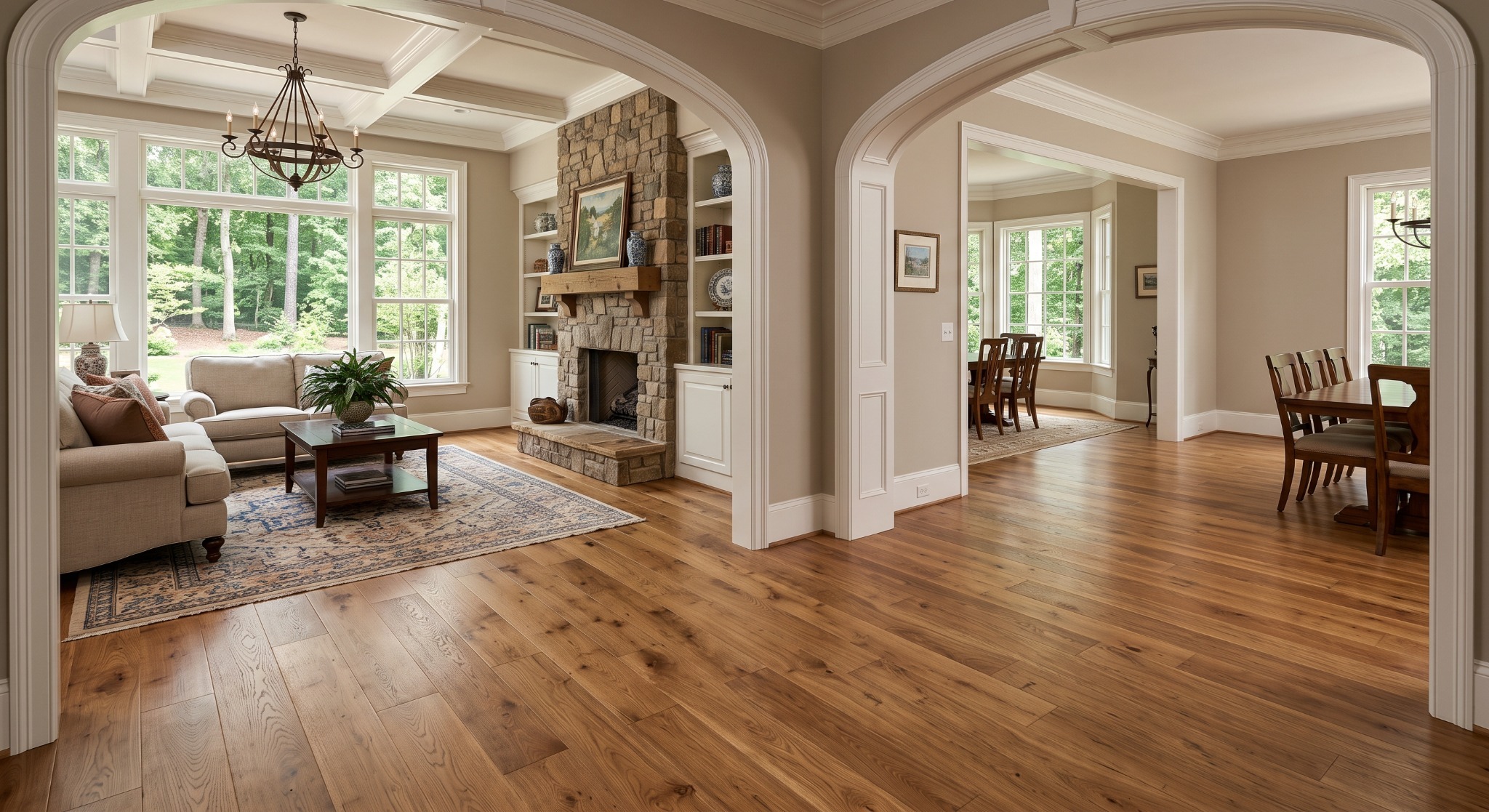
Hardwood remains the gold standard for classic Southern architecture. Broad planks in European white oak, natural walnut, or warm hickory add warmth and architectural weight to dining rooms and foyers. Matte and low-sheen wire-brushed finishes are widely preferred because they hide daily scuffs while highlighting natural grain patterns. Homeowners looking to preserve existing surfaces can opt for professional hardwood refinishing to update stain colors without replacing the original wood. For new layouts, review options on our hardwood flooring installation page.
3. High-Performance Luxury Vinyl Planks (LVP)
For basements, laundry areas, and high-traffic family rooms, luxury vinyl provides authentic wood aesthetics paired with complete moisture resistance. Advanced embossing technologies replicate the grain and feel of natural timber, making it virtually indistinguishable from traditional wood while standing up to heavy foot traffic and spills. You can browse style options through our luxury vinyl products page.
4. Plush Textured Carpets and Custom Area Rugs
In private quarters and home theaters, plush carpet creates unmatched acoustic control and underfoot comfort. Current color palettes favor warm neutrals, greige tones, and low-profile geometric patterns that complement traditional millwork. Pairing hard surfaces with strategically placed area rugs allows homeowners to define gathering zones while protecting underlying floors.
| Flooring Type | Ideal Home Placement | Key Functional Benefit |
| Porcelain & Tile | Foyer, Kitchen, Bathrooms | Superior moisture & stain resistance |
| Wide-Plank Hardwood | Living Room, Dining Room, Foyers | Timeless value & classic elegance |
| Luxury Vinyl | Basements, Laundry Rooms, Dens | 100% waterproof & durable |
| Textured Carpet | Bedrooms, Bonus Rooms, Stairs | Acoustic insulation & comfort |
Bridging Traditional Style and Modern Functionality
Integrating updated materials into traditional homes requires careful planning. Mixing flooring types between adjoining rooms requires precise threshold transitions to maintain visual continuity.
Our team at In and Out Flooring guides you through each phase of the transformation. From your initial walkthrough to final installation, we focus on clear communication and careful execution. If our team detects structural subfloor concerns during a project, we explain the situation clearly and present the safest path forward before moving to the next step. Every project is backed by full licensing, insurance, and a one-year workmanship warranty to give you absolute peace of mind.
To start planning your project from the comfort of your home, schedule a professional in-home measure with our team, or explore how different materials look in your space using our interactive room visualizer.
Frequently Asked Questions
What tile styles work best in traditional Vestavia Hills homes?
Large-format porcelain tiles, neutral marble finishes, and subtle warm-toned stones complement classic moldings and traditional cabinetry while offering low maintenance and easy cleaning.
Can engineered hardwood be installed over concrete slabs common in Greystone basements?
Yes, engineered hardwood can be installed over concrete subfloors when paired with an appropriate moisture barrier. However, for areas exposed to higher humidity, luxury vinyl plank is often recommended as a fully waterproof alternative.
How long does a typical hardwood flooring installation take?
Installation timelines depend on the square footage, subfloor preparation requirements, and whether existing floors must be removed. Most residential projects are completed within 2 to 5 days.
How do I choose between hardwood refinishing and complete replacement?
If your existing hardwood floors are structurally sound without extensive water damage or thin wear layers, professional refinishing can completely restore their original beauty at a fraction of the cost of replacement.
What specific architectural style or room project are you planning for your home next?